Сергей К.


 Рейтинг 4,86
  Загрузка...
Процесс получения американской визы – это сложная и многоэтапная задача, и отказы в выдаче визы не являются редкостью. Они могут произойти на разных этапах рассмотрения заявления и по разным причинам. Каждый случай уникален, и консульские службы оценивают множество факторов при принятии решения.
Помимо уже упомянутых причин, стоит обратить внимание на еще несколько нюансов. Во-первых, политическая ситуация между странами может также играть роль. В периоды напряженных отношений между странами, критерии выдачи виз могут быть ужесточены, и визовые заявления рассматриваются с большей осторожностью.
Во-вторых, история путешествий заявителя может стать как плюсом, так и минусом. Наличие виз из других стран и история путешествий без нарушений могут говорить в пользу заявителя, в то время как отсутствие путешествий или нарушения визового режима в других странах могут вызвать дополнительные вопросы.
В-третьих, возраст и семейное положение также могут быть приняты во внимание. Молодые люди, особенно не состоящие в браке, могут рассматриваться как более вероятные кандидаты на нелегальную иммиграцию.
В-четвертых, профессия и образование могут быть важными факторами. Например, специалисты в определенных областях, таких как наука или искусство, могут иметь больше шансов на получение визы.
В-пятых, рекомендации и поручительства могут иметь значение. Если у заявителя есть знакомые или родственники в США, готовые поручиться за него, это может положительно сказаться на решении.
Каждый из этих факторов рассматривается в комплексе, и даже если у вас есть какие-то «минусы», они могут быть компенсированы «плюсами» в других аспектах. Однако не стоит забывать, что ложь или предоставление недостоверной информации являются серьезным нарушением и практически гарантированно приведут к отказу.
Для тех, кто столкнулся с отказом, существует возможность обжалования или повторного обращения за визой. Однако в этом случае крайне рекомендуется обратиться за профессиональной юридической помощью.
В заключение хочется сказать, что получение визы – это всегда процесс, зависящий от множества переменных, и чтобы увеличить свои шансы на успех, необходима тщательная подготовка и понимание всех возможных рисков и сложностей.
The process of obtaining a U.S. visa is complex and multi-stage, and visa refusals are not uncommon. They can occur at various stages of the application review and for various reasons. Each case is unique, and consular services evaluate multiple factors in making their decision.
Beyond the reasons already mentioned, a few more nuances should be highlighted. First, the political situation between countries can also play a role. During periods of strained relations between countries, visa issuance criteria may be tightened, and visa applications are scrutinized more carefully.
Second, the applicant’s travel history can serve as both a plus and a minus. The presence of visas from other countries and a travel history without violations can work in the applicant’s favor, while a lack of travel or violations of visa regimes in other countries could raise additional questions.
Third, age and marital status can also be considered. Young people, especially those who are unmarried, may be viewed as more likely candidates for illegal immigration.
Fourth, profession and education can be important factors. For instance, specialists in certain fields such as science or the arts may have better chances of obtaining a visa.
Fifth, recommendations and endorsements can make a difference. If the applicant has acquaintances or relatives in the U.S. willing to vouch for them, this could positively influence the decision.
Each of these factors is considered in a comprehensive manner, and even if you have some «negatives,» they can be offset by «positives» in other aspects. However, it should not be forgotten that lying or providing false information is a serious violation and will almost certainly result in a refusal.
For those who have encountered a refusal, there is the option of appealing or reapplying for a visa. However, in this case, it is highly recommended to seek professional legal assistance.
In conclusion, obtaining a visa is always a process dependent on multiple variables, and careful preparation and understanding of all potential risks and complexities are required to increase your chances of success.

|
|
Получить актуальную и надежную информацию о процедуре оформления американской визы для граждан Российской Федерации, особенно в сложный период санкций и СВО, теперь стало возможным благодаря нашему специализированному бесплатному чату в мессенджере Телеграм @gofortravel_chat. Этот чат создан с целью помочь людям найти ответы на все возникающие вопросы, связанные с получением визы в США. Каждый день в чате развертываются активные и информативные дискуссии на тему текущего визового режима и политики США в отношении России. Вы сможете в режиме реального времени задать интересующие вас вопросы и получить быстрые и компетентные ответы не только от опытных туристов и путешественников, но и от профессиональных визовых агентов, а также квалифицированных сотрудников нашей компании. Также у нашей компании есть отдельный чат @American_Pathway, посвященный вопросам легальной иммиграции в США. |

Старт лотереи Green Card DV-2027 ожидался еще осенью 2025 года, однако прием заявок так и не открылся в привычные сроки. Госдепартамент США объяснял задержку изменениями в программе и дополнительной подготовкой,...
Организовать поездку в Америку довольно трудно. Нужно подготовить документы, получить американскую визу, спланировать оптимальный маршрут. Туристов ждут финансовые затраты, а также длительный перелет через океан. Поэтому жаль ограничиваться лишь одним...
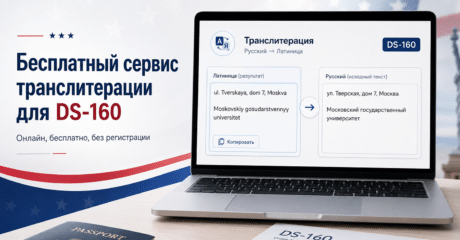
Для получения американской визы каждый заявитель должен подготовить анкету DS‑160. Она заполняется только на английском языке с использованием правил транслитерации Посольства США. На этом этапе у многих заявителей возникают сложности:...
Американские власти продолжают политику ужесточения правил иммиграционного законодательства. Новая инициатива была озвучена Службой гражданства и иммиграции (USCIS) 22 мая 2026 года. Согласно опубликованному заявлению USCIS, вводится новый порядок получения вида...
Правительство США продолжает бороться с нелегальными мигрантами, в том числе ужесточая визовую политику. В рамках новых правил оформления визы в США для ряда стран было введено правило визового залога (Visa...
В последнее время появлялось множество тревожных обсуждений и слухов о программе DV (лотерея Green Card 2027). Пользователи и эксперты тематических чатов выдвигали самые разных теории – об отмене лотереи, о...
В 2026 году в США (а также в Мексике и Канаде) будет проходить главный футбольный турнир – FIFA World Cup 26. И многие болельщики планируют посетить матчи Чемпионата мира по...
Госдепартамент США опубликовал официальные данные по одобрению туристической визы США B1/B2 гражданам разных стран. По официальной статистике отказов в визе США B1/B2, данные представлены за прошедший финансовый год, охватывая период...
14 января 2026 года Государственный департамент США опубликовал официальное руководство, посвященное изменению практики обработки и выдачи иммиграционных виз для граждан стран, которые по внутренним оценкам американских властей относятся к категории...


Чтобы получить более точный и полезный ответ, подробно опишите свою ситуацию и укажите максимум значимых деталей – чем больше информации вы предоставите, тем проще дать предметный ответ на ваш вопрос. Перед публикацией рекомендуем ознакомиться с правилами размещения вопросов, поскольку мы не публикуем вопросы, которые не соответствуют установленным требованиям.
Мы получили ваш вопрос и передали его на модерацию. После проверки он появится на этой странице. Обычно мы публикуем ответы в течение 1-3 рабочих дней. При высокой загрузке рассмотрение может занять немного больше времени, поэтому ответ иногда появляется позже.
Добавьте эту страницу в закладки и вернитесь к ней через несколько дней, чтобы узнать, появился ли ответ на ваш вопрос.
Если вам нужна комплексная помощь с оформлением визы, оставьте заявку - специалист свяжется с вами и расскажет о дальнейших шагах.